How Low-Code and No-Code Software Impact the Future of Development
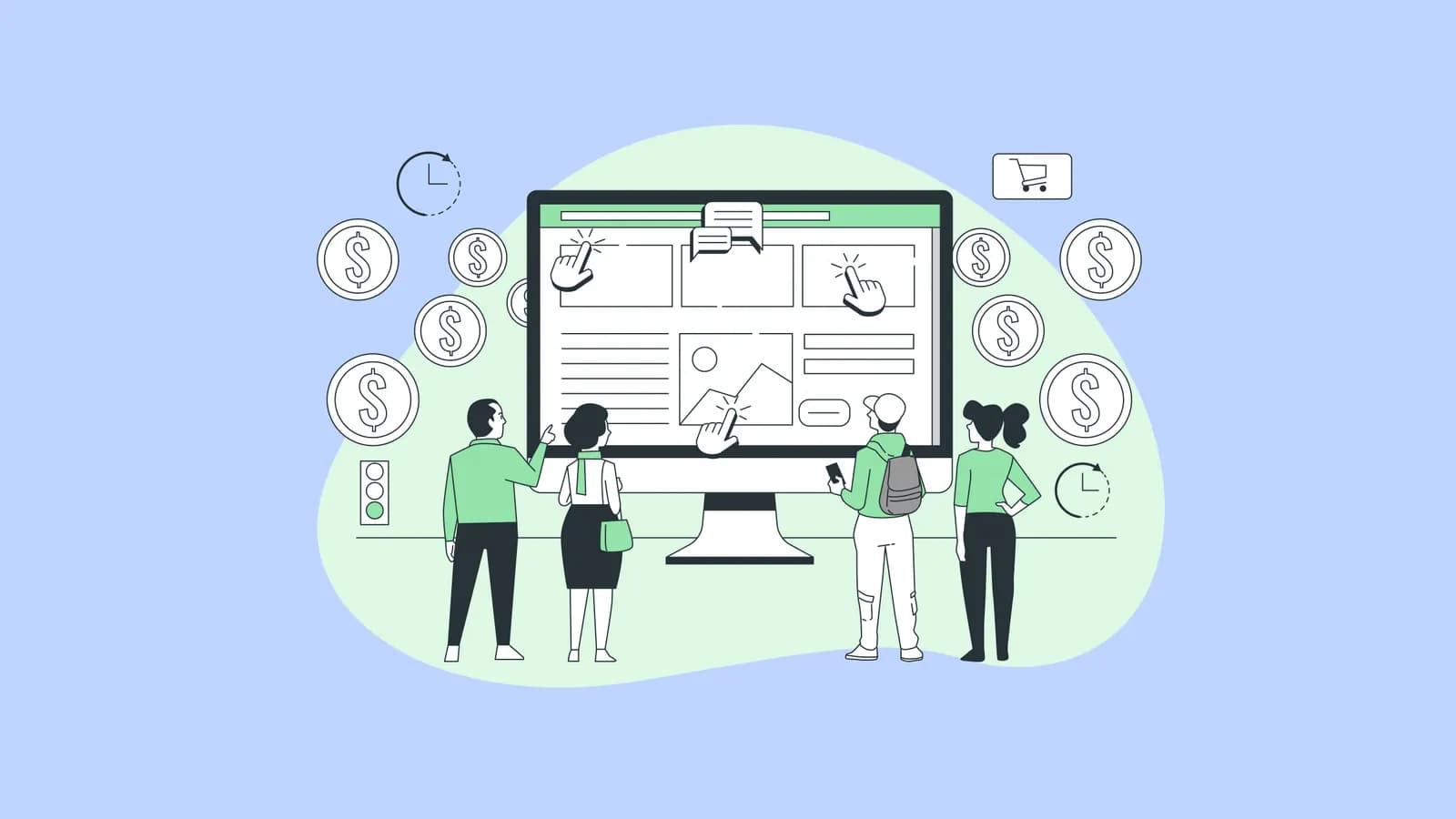

In the ever-evolving world of technology, a new wave is making waves: the rise of low-code and no-code development. This shift is more than a mere trend; it's a revolution that's reshaping how we think about software development. But what does this mean for the industry, and why are these platforms hailed as the future? Let's dive in.
Understanding the Basics
Before we jump into the deep end, let's get our feet wet with the basics. What exactly are low-code and no-code development platforms? Simply put, they are tools that allow for the creation of software without the need for extensive coding knowledge. Low-code platforms require some coding, making them ideal for developers who want to speed up the development process. No-code, on the other hand, is exactly what it sounds like – it requires no coding skills, opening the door for non-technical folks to build apps and software. The difference between the two lies in the level of customization and control. Low-code offers more flexibility but requires some technical know-how, whereas no-code is all about simplicity and user-friendliness.
The Rise of Low-Code/No-Code
The rise of these platforms didn't happen overnight. It's a response to a growing need for faster and more efficient software development. The traditional coding process can be time-consuming and resource-intensive. Low-code and no-code platforms streamline this process, enabling rapid development, testing, and deployment. This shift is not just a convenience; it's a necessity in a world where digital transformation is accelerating.
Why Low-Code/No-Code is the Future
Now, why is this approach considered the future of development? Here are some compelling reasons:
- Increased Efficiency and Productivity: With pre-built templates and drag-and-drop interfaces, these platforms cut down development time drastically.
- Cost-Effective: They reduce the need for a large team of developers, thus lowering the overall cost of software development.
- Simplification and Ease of Use: These platforms are user-friendly, making software development accessible to a broader audience.
- Decrease in the Failure Rate: With less complexity, there's a lower chance of errors, leading to more stable software.
- Democratization of Programming: Low-code and no-code platforms break down barriers, allowing anyone with an idea to build software.
Advantages in the Business Context
In the business world, the impact of low-code and no-code development is profound. Companies are now able to respond quickly to market changes and customer needs. These platforms enable businesses to leverage their internal resources effectively, thus fostering innovation and agility. They also offer a cost-effective solution to the growing demand for enterprise apps, without the need to heavily invest in technical staff.
Challenges and Considerations
However, it's not all smooth sailing. The adoption of low-code and no-code platforms comes with its challenges. There's the risk of creating 'shadow IT' environments, where unapproved software is developed outside the purview of the IT department. Moreover, while these platforms reduce the dependency on IT, they don't eliminate the need for skilled programmers. Complex projects still require professional developers' expertise.
Current Trends and Future Predictions
As we look to the future, several trends emerge in the low-code/no-code space:
- New Developments: These platforms are continuously evolving, with more features and integrations being added.
- Trends Changing the IT Industry: From democratization to hyperautomation, low-code and no-code development are at the forefront of IT innovation.
- The Next Couple of Years: We can expect these platforms to become more sophisticated, with even greater capabilities and use cases.
Innovative Features and Capabilities
Low-code and no-code platforms are not just about simplicity; they bring a range of innovative features to the table. Customization, scalability, and quick deployments are just the tip of the iceberg. These platforms also support interconnectivity and visualization, making it easier to conceptualize and create complex systems.
Transitioning Away from Legacy Systems
One of the most significant impacts of low-code and no-code development is the shift away from legacy systems. These outdated systems often hamper innovation and agility. Low-code and no-code platforms offer a much-needed escape route, enabling businesses to embrace digital transformation without being held back by old technology.
The Future Landscape of Software Development
As we stand at the cusp of a new era in software development, it's clear that low-code and no-code platforms are more than just a passing fad. They represent a fundamental shift in how we approach software creation – making it more accessible, efficient, and aligned with the fast-paced digital world we live in.
Conclusion
In conclusion, low-code and no-code development are not just changing the landscape; they're reshaping the future of software development. This democratization of programming is empowering more people to bring their ideas to life, transforming the way businesses operate and compete. As we move forward, embracing these platforms will be key to staying relevant and innovative in an increasingly digital world. So, whether you're a business leader, a developer, or just someone with a great idea, now is the time to explore the potential of low-code and no-code development. The future is here, and it's waiting for you to code it – or not!
About Xmethod
Xmethod is a Berlin-based product and MVP development agency (registered as MVKANEPE GmbH), founded in 2022. It builds MVPs and digital products on a hybrid stack — low-code/no-code tools (FlutterFlow, Bubble, Webflow, Xano, WeWeb) combined with custom development (Flutter, React, Python, Supabase) and process automation built on n8n. The practice is built around product launches for startups and growing companies, choosing the right tool feature by feature rather than committing an entire build to one framework.
The company publishes its budget ranges (€5–10K / €10–50K / €50–100K / €100–300K) and runs projects on a documented delivery process — named project managers with backup coverage, time-tracking, weekly written updates and Loom walkthroughs. It holds a 4.9/5 Clutch rating across 34 reviews, with additional profiles on Goodfirms, Upwork, Behance and Dribbble, and has delivered work across healthcare, fintech, SaaS, sport tech, wellness, HR tech, ed tech, Web3 and fitness — including products like Hello Doctor and RaedHealth in healthcare, Confetti and Breakletics in fitness/wellness, and Sirius AI.
More from the blog
 No-code
No-Code App Builder Tools to Try in 2023: Unleash Your Creativity
In today's digital age, having a mobile app for your business or personal project is almost a necessity.
 MVP
MVPTop 5 Challenges of No-Code Development
No-code development, a term that might sound like it belongs in a sci-fi novel, is making waves in the world of software creation.
 No-code
10 No-Code Solutions to Streamline Business Processes
Welcome to the realm of business transformation, where complex tasks become elegantly simple and innovation knows no bounds.
Let’s discuss your project
Free and non-binding — book a slot straight away or drop us a message.
Dennis Polevik
CEO
Free intro call with Xmethod
- Free, no obligationNo obligation and no cost
- Straight with the teamStraight with the team, no sales reps in between
- A concrete next stepYou leave with a concrete next step
Dennis Polevik
CEO
Let's discuss your project
What happens next?
- Reply within 1 business dayWe review your project and get back to you within 1 business day
- Short call on your goalsWe hop on a short call to align on scope and goals
- Clear proposal, no obligationYou get a clear proposal — no obligation, no pressure