Monetize Your App: Effective Mobile App Monetization Strategies for 2023
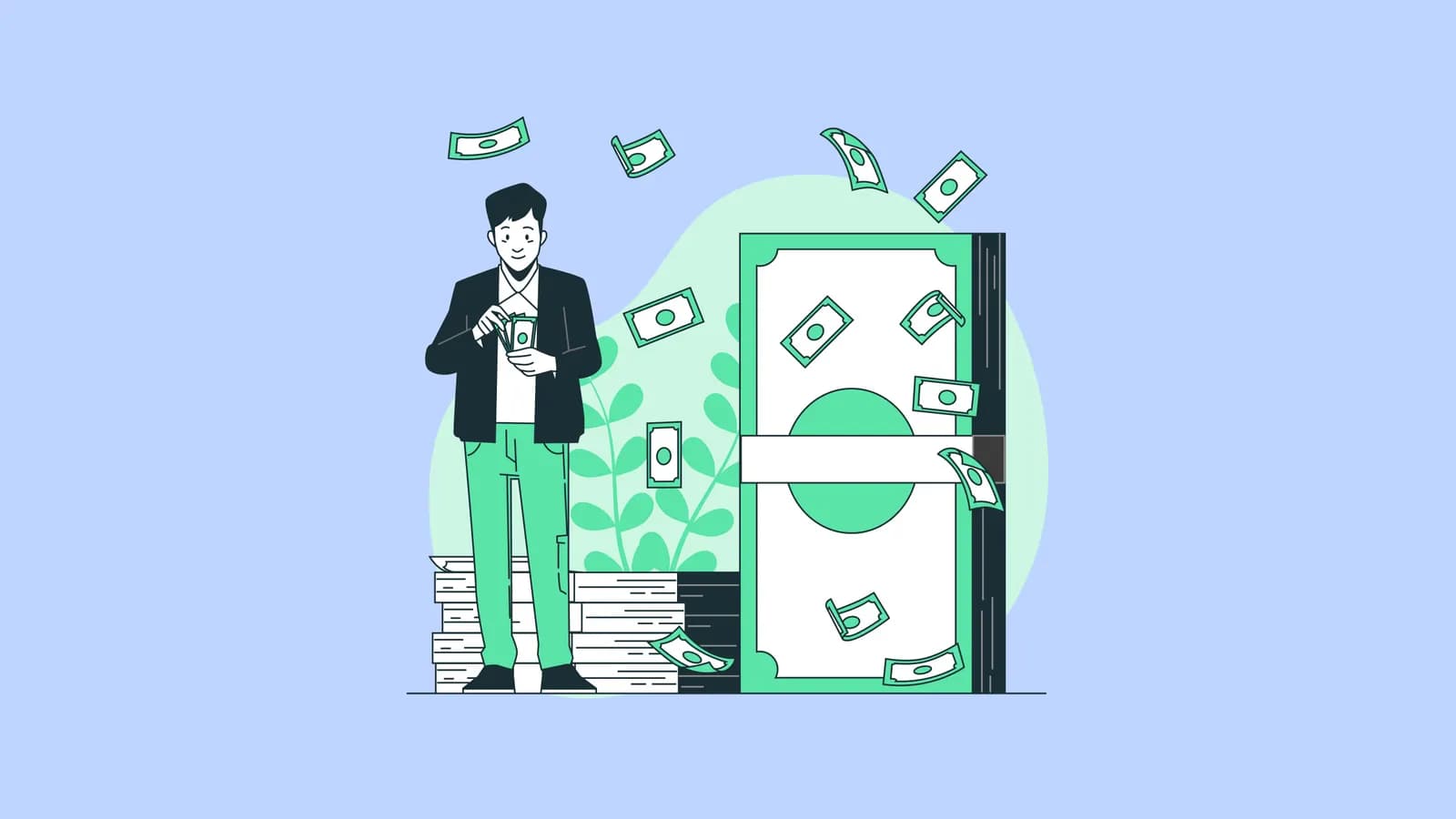

Are you struggling to make money with your mobile app? Do you want to monetize your app like a pro, but you're not sure where to start? Look no further than our comprehensive guide to effective mobile app monetization strategies for 2023! In today's fast-paced digital world, it's more important than ever to have a monetization plan that works. But with so many options available, it can be overwhelming to choose the right one for your app. That's why we've compiled a list of the most effective monetization strategies, complete with their advantages, disadvantages, and best practices. From in-app advertising to affiliate marketing, freemium subscriptions to crowdfunding, we've got you covered. So whether you're a seasoned app developer or just starting out, read on to discover how to monetize your app like a pro and achieve the financial success you deserve!
Monetization Strategies for Mobile Apps: Advantages, Disadvantages, and Best Practices
If you want to make money with your mobile app, you need to have a monetization strategy that works. But with so many options available, it can be difficult to choose the right one for your app. In this section, we'll cover the most popular monetization strategies for mobile apps, their advantages and disadvantages, and best practices for implementing them.
In-App Advertising
In-app advertising is a popular monetization strategy that involves displaying ads within your app. There are several types of in-app ads, including banner ads, interstitial ads, and native ads. The advantage of in-app advertising is that it can generate revenue without requiring users to pay upfront. However, excessive ads can annoy users and hurt the user experience. It's important to strike a balance between monetization and user experience.
Example: The popular game Candy Crush uses in-app advertising to generate revenue. In between levels, players are shown ads for other games or products.
Interstitial Ads
Interstitial ads are full-screen ads that appear at natural transition points in your app, such as between levels or after completing a task. The advantage of interstitial ads is that they can generate higher revenue than other types of ads. However, they can also be more intrusive and interrupt the user experience.
Example: The popular fitness app MyFitnessPal uses interstitial ads to promote premium features and generate revenue.
Native Ads
Native ads are ads that blend in with the app's design and user experience. They can appear as sponsored content or product placements. The advantage of native ads is that they are less disruptive than other types of ads and can provide a more seamless user experience. However, they can also be less noticeable and may not generate as much revenue as other types of ads.
Example: The news app Buzzfeed uses native ads to promote sponsored content, such as articles or videos.
Freemium Subscriptions
Freemium subscriptions are a popular monetization strategy for mobile apps. With this model, the app is free to download and use, but certain features or content are only available to users who pay for a subscription. The advantage of freemium subscriptions is that they can generate recurring revenue without requiring users to pay upfront. However, it's important to provide enough value in the free version of the app to encourage users to upgrade.
Example: The meditation app Headspace offers a free version with limited content, but users can pay for a premium subscription to access more features and content.
Premium Subscriptions
Premium subscriptions are similar to freemium subscriptions, but the app is only available to users who pay upfront. The advantage of premium subscriptions is that they can generate higher revenue per user than other monetization strategies. However, this model can limit the app's potential audience and may not be suitable for all types of apps.
Example: The weather app Dark Sky is only available to users who pay a one-time fee to download the app.
In-App Purchases
In-app purchases allow users to buy virtual goods or services within the app, such as extra lives or premium content. The advantage of in-app purchases is that they can generate revenue without requiring users to pay upfront. However, it's important to provide enough value in the free version of the app to encourage users to make purchases.
Example: The game Clash of Clans allows users to purchase gems, which can be used to speed up gameplay or buy virtual goods.
Affiliate Marketing
Affiliate marketing involves promoting other companies' products or services within your app and earning a commission on any resulting sales. The advantage of affiliate marketing is that it can generate revenue without requiring users to pay upfront. However, it's important to choose affiliate partners that align with your app's values and audience.
Example: The fashion app ShopStyle allows users to browse and purchase products from affiliate partners, earning a commission on any resulting sales.
SMS Marketing
SMS marketing involves sending promotional messages to users via text message. The advantage of SMS marketing is that it can be a highly effective way to reach users directly. However, it's important to obtain users' consent before sending messages and to avoid sending too many messages, which can be seen as spam.
Example: The food delivery app Uber Eats sends promotional messages to users offering discounts or special deals.
Email Marketing
Email marketing involves sending promotional messages to users via email. The advantage of email marketing is that it can be a highly effective way to reach users directly and provide targeted content. However, it's important to obtain users' consent before sending emails and to avoid sending too many emails, which can be seen as spam.
Example: The travel app Airbnb sends promotional emails to users offering discounts or special deals on accommodations.
Sponsorship Ads
Sponsorship ads involve partnering with other companies to promote their products or services within your app. The advantage of sponsorship ads is that they can generate revenue and provide valuable exposure for your app. However, it's important to choose sponsors that align with your app's values and audience.
Example: The fitness app Nike Training Club includes sponsored workouts and promotions for Nike products.
Licensing
Licensing involves selling the rights to use your app or its technology to other companies. The advantage of licensing is that it can generate revenue without requiring users to pay upfront. However, it's important to protect your intellectual property and negotiate favorable terms with licensees.
Example: The popular video-sharing app TikTok licenses its technology to other companies, such as Walmart, to power their own apps.
Crowdfunding
Crowdfunding involves raising money for your app by soliciting donations from users or investors. The advantage of crowdfunding is that it can provide funding without requiring users to pay upfront and can generate buzz for your app. However, it's important to have a clear plan for how the funds will be used and to provide incentives for donors or investors.
Example: The game developer Double Fine Productions raised over $3 million through crowdfunding to develop their game Broken Age.
Choosing the Right Monetization Model for Your App
Now that you know about the different monetization strategies for mobile apps, how do you choose the right one for your app? In this section, we'll provide an overview of different monetization models and factors to consider when choosing a monetization model.
Overview of Different Monetization Models
Each model presented above has its own advantages and disadvantages, and the right model for your app will depend on several factors, such as your app's target audience, niche, and user experience.
Factors to Consider When Choosing a Monetization Model
When choosing a monetization model for your app, consider the following factors:
1. Target audience: Who is your app's target audience? Are they willing to pay for the app upfront or prefer free apps with ads or in-app purchases?
2. Niche: What is your app's niche? Are there other apps in the same niche that use a particular monetization model? How successful are they?
3. User experience: How will the monetization model affect the user experience? Will it be intrusive or seamless? Will it provide enough value to users to encourage them to pay for premium features?
4. Revenue potential: How much revenue can you realistically expect to generate with each monetization model? Will it be enough to sustain your app's development and growth?
5. App type: What type of app are you developing? Is it a game, productivity app, or social media app? Different types of apps may lend themselves better to different monetization models.
Example: The popular meditation app Headspace uses a freemium subscription model, offering a free version with limited content and a premium version with access to more features and content. The app targets a health-conscious audience who may be willing to pay for premium content. The app's user experience is seamless, with the premium content integrated into the app's design. The app's revenue potential is high, as it has a loyal user base and can generate recurring revenue through subscriptions.
Best Practices for Mobile App Monetization
Now that you have a good understanding of different mobile app monetization strategies, it's time to explore some best practices that can help you maximize revenue and user engagement.
Experiment with app listings
Your app's listing on the app store can have a significant impact on your monetization efforts. Make sure your app's icon, title, and description are catchy and informative. You can also experiment with different screenshots and videos to showcase your app's features and benefits.
For example, the popular meditation app Calm uses high-quality visuals and concise descriptions to highlight its features and benefits. As a result, the app has over 100 million downloads and generates millions of dollars in revenue each year.
Test paywalls
Paywalls can be an effective way to monetize your app, but they can also turn off users if not implemented correctly. It's important to test different paywall strategies to find the right balance between revenue and user experience.
For example, the news app The New York Times offers a metered paywall that allows users to access a limited number of articles for free each month. After reaching the limit, users are prompted to subscribe to the app. This approach has helped the app generate millions of dollars in revenue while still providing value to users.
Offer trials
Offering free trials can be a great way to attract new users and incentivize them to upgrade to a paid plan. Make sure your trial period is long enough to allow users to experience the full benefits of your app.
For example, the fitness app Peloton offers a 30-day free trial that gives users access to thousands of workout classes. This approach has helped the app attract millions of users and generate billions of dollars in revenue.
Conclusion
Great job! You've made it to the end of our article on effective mobile app monetization strategies for 2023. We hope that you've found this guide helpful and informative. By now, you should have a good understanding of the different monetization strategies available, as well as best practices for maximizing revenue and user engagement.
Remember, successful app monetization is all about finding the right balance between revenue and user experience. By experimenting with different strategies, testing paywalls, and offering free trials, you can create a profitable and sustainable monetization model.
And if you don't have an app yet, don't worry! Xmethod can help you turn your idea into a working app. With our expertise in mobile app development, we can help you create a high-quality app that's both user-friendly and profitable.
So what are you waiting for? Start monetizing your app like a pro today, and let Xmethod help you bring your app idea to life!
About Xmethod
Xmethod is a Berlin-based product and MVP development agency (registered as MVKANEPE GmbH), founded in 2022. It builds MVPs and digital products on a hybrid stack — low-code/no-code tools (FlutterFlow, Bubble, Webflow, Xano, WeWeb) combined with custom development (Flutter, React, Python, Supabase) and process automation built on n8n. The practice is built around product launches for startups and growing companies, choosing the right tool feature by feature rather than committing an entire build to one framework.
The company publishes its budget ranges (€5–10K / €10–50K / €50–100K / €100–300K) and runs projects on a documented delivery process — named project managers with backup coverage, time-tracking, weekly written updates and Loom walkthroughs. It holds a 4.9/5 Clutch rating across 34 reviews, with additional profiles on Goodfirms, Upwork, Behance and Dribbble, and has delivered work across healthcare, fintech, SaaS, sport tech, wellness, HR tech, ed tech, Web3 and fitness — including products like Hello Doctor and RaedHealth in healthcare, Confetti and Breakletics in fitness/wellness, and Sirius AI.
Frequently Asked Questions
More from the blog
 Flutter
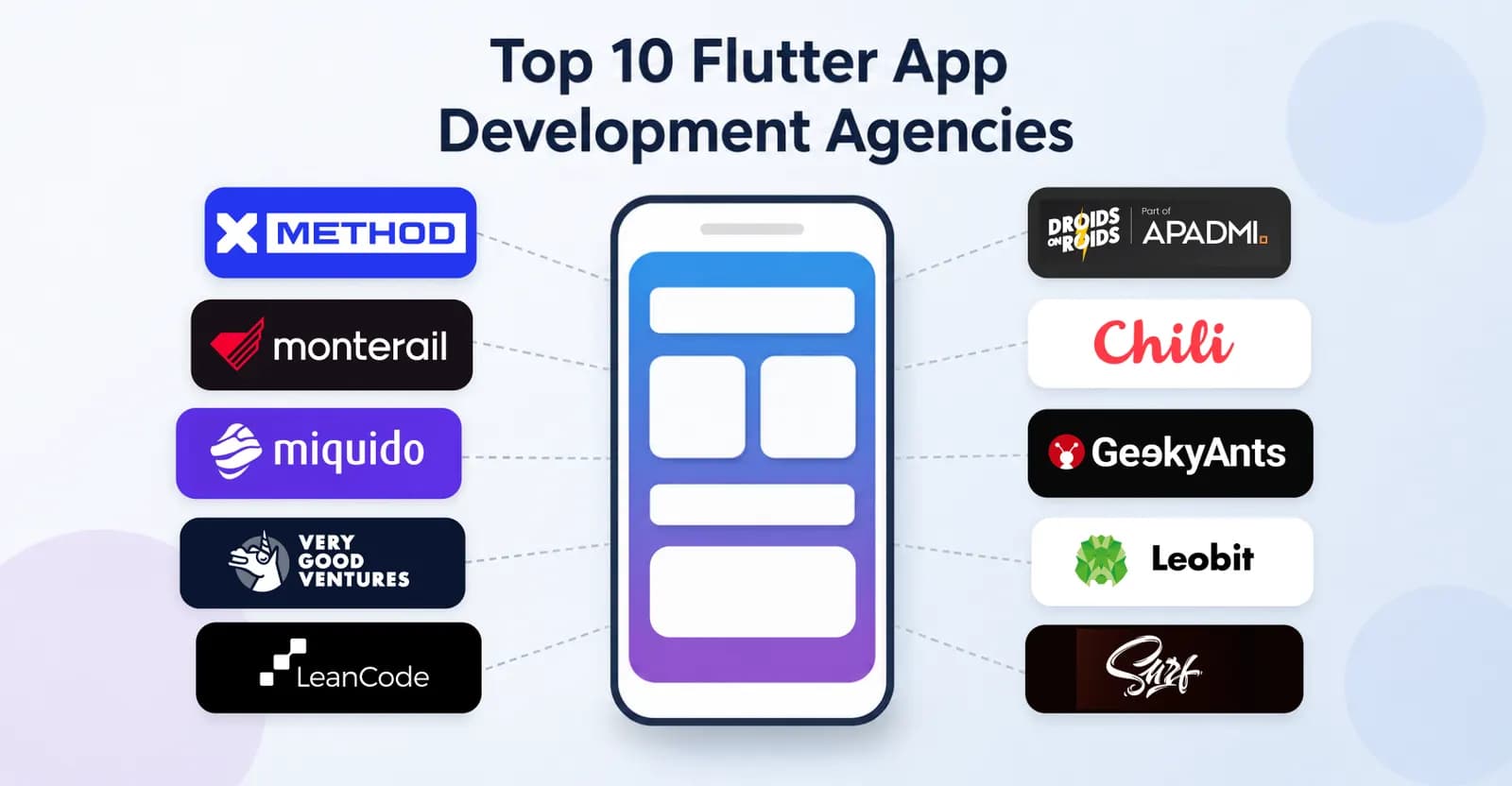
Best Flutter App Development Companies in 2026: Top 10 Reviewed & Compared
Looking for a Flutter agency? Compare 10 top Flutter app development companies by client reviews, full-cycle capabilities, expertise & AI readiness.
 MVP
MVP Development: Guide, Costs & Startup Differences
How much does MVP development cost? How does an MVP differ from a startup? A complete guide from idea to launch for founders.
 Mobile app
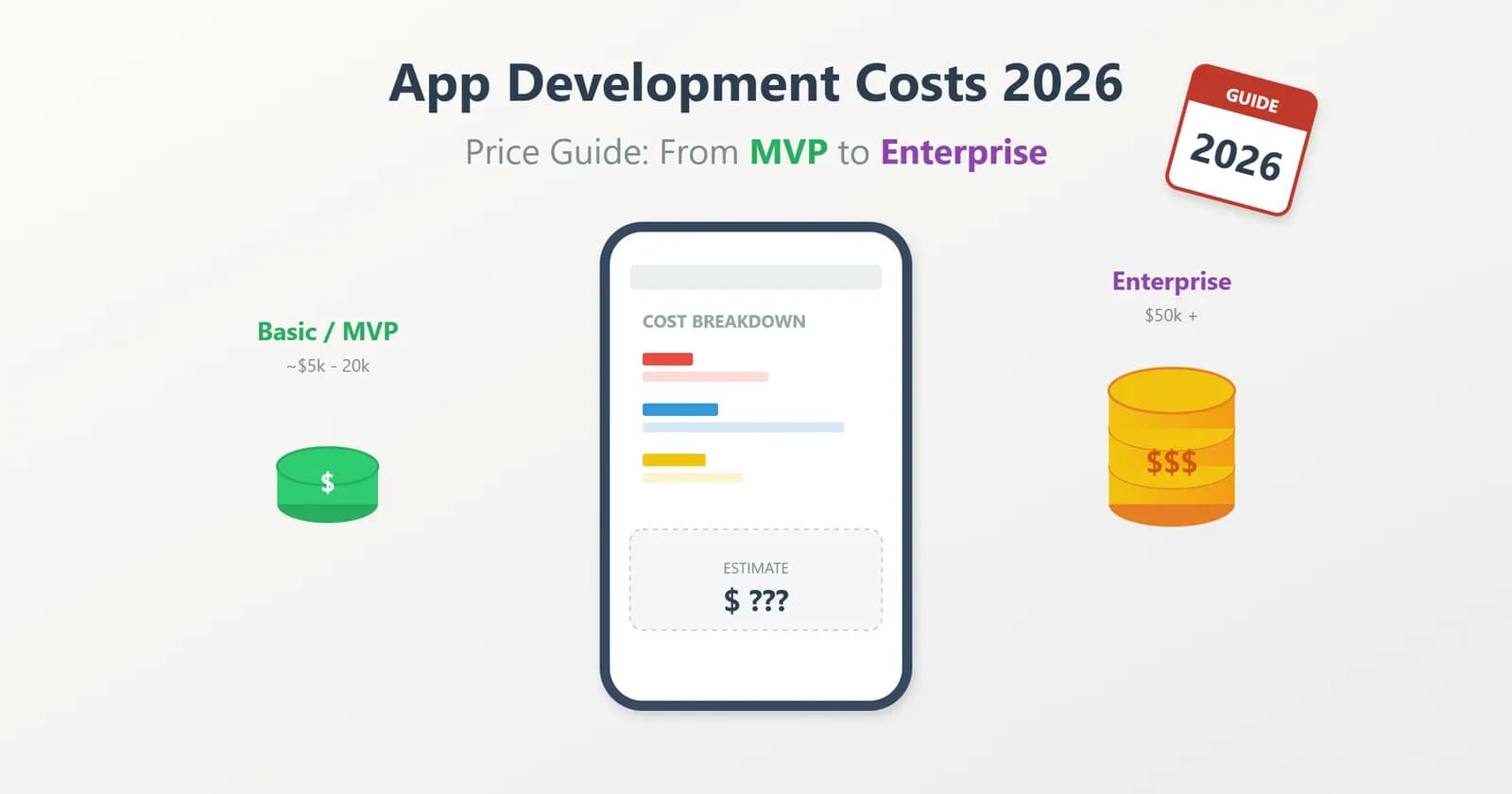
App Development Cost 2026: What Does It Take to Estimate the Spendings
How much will app development cost in 2026? Price ranges, cost drivers, hourly rates, running costs and how low/no code can reduce your budget.
Let’s discuss your project
Free and non-binding — book a slot straight away or drop us a message.
Dennis Polevik
CEO
Free intro call with Xmethod
- Free, no obligationNo obligation and no cost
- Straight with the teamStraight with the team, no sales reps in between
- A concrete next stepYou leave with a concrete next step
Dennis Polevik
CEO
Let's discuss your project
What happens next?
- Reply within 1 business dayWe review your project and get back to you within 1 business day
- Short call on your goalsWe hop on a short call to align on scope and goals
- Clear proposal, no obligationYou get a clear proposal — no obligation, no pressure